-
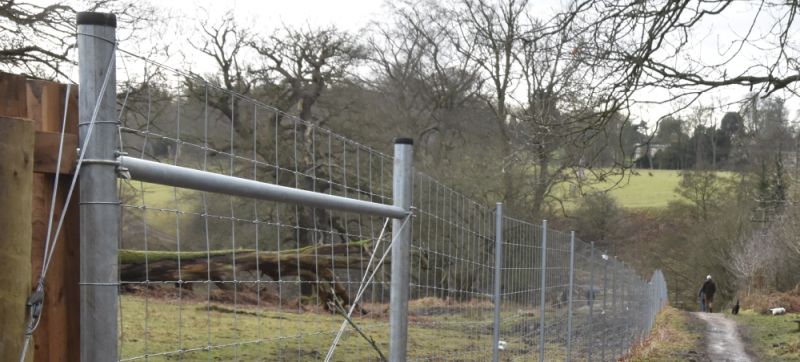
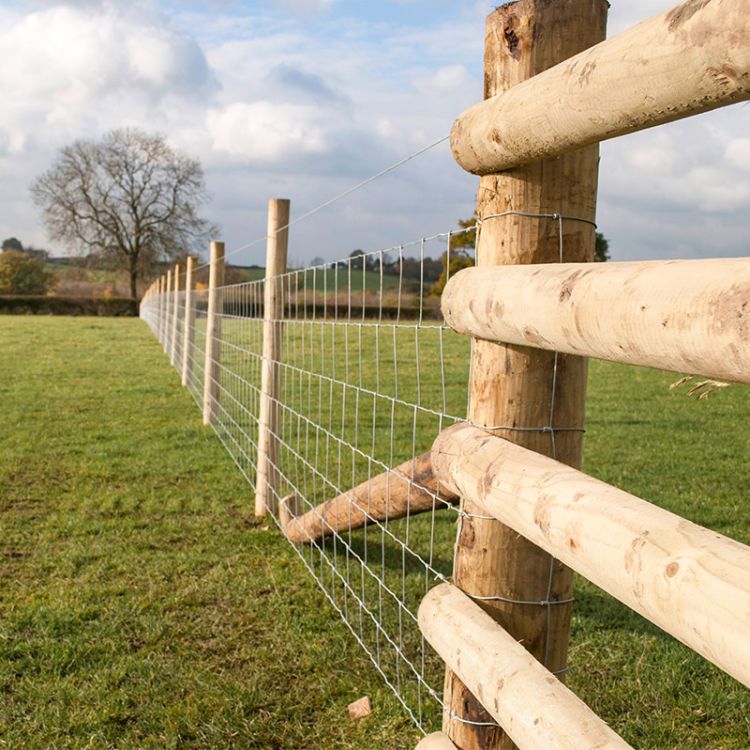
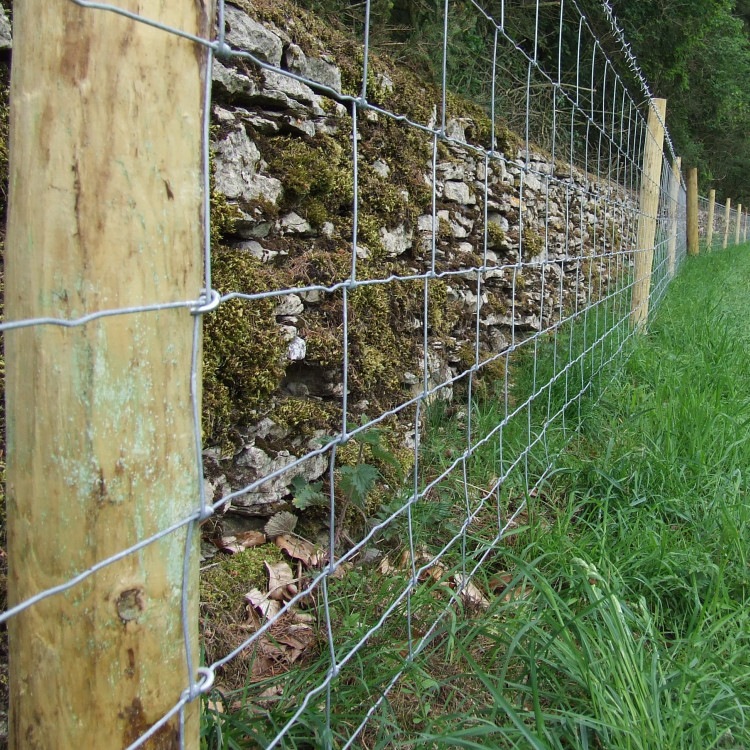
Material Variety:Livestock fences come in various materials such as wood, wire (woven, barbed, or welded) and electric, each serving unique purposes based on the livestock type and terrain.
-
Design FlexibilityFrom high-tensile fences to electric alternatives, a plethora of designs cater to different needs & preferences, offering flexibility in installation & use.
-
Height & SpacingThe height and spacing of fences are adjustable, catering to different animals' sizes and ensuring their safety and confinement.
-
DurabilityLivestock fences are built to last, constructed with materials that withstand both the elements & test of time.
-
Additional Security Features Easy To ApplyProvides optimal support for barbed wire or electric fencing.
Request a quote
- As a leading supplier and contractor, we specialise in high-quality agricultural and commercial fencing solutions.
- We Have Many References From Previous Clients, Including Local Authorities, Schools, Government Agencies, Businesses & Private Clients
- Committed to excellence, we use premium UK-sourced materials built to last.
- Contact us today for a free, no-obligation site visit and quote.
Effective livestock fencing is about far more than marking a boundary. The right fencing system helps keep animals safely contained, supports efficient day-to-day farm management and provides a durable boundary designed to perform reliably in demanding agricultural environments.
Every farm is different, and so are the requirements of the livestock it supports. Factors such as the type of animals being kept, grazing arrangements, terrain and access requirements all influence the most suitable fencing specification.
At Farm & Country Fencing, we provide fully bespoke livestock fencing solutions throughout Hertfordshire, Essex and the surrounding areas. Whether you're fencing a smallholding, commercial farm, grazing land or rural estate, we'll recommend the most appropriate fencing system for your land and livestock.
Livestock fencing is a broad term covering a range of fencing systems designed to safely contain farm animals while creating practical field boundaries and paddock divisions.
Depending on the intended application, a livestock fencing installation may incorporate woven stock wire, plain wire, barbed wire, electric fencing or timber posts, with each element selected according to the livestock being managed and the environment in which the fence will be installed.
Rather than supplying a standard fencing system, Farm & Country Fencing designs every installation around the individual project. This allows the finished fence to provide the right balance of strength, durability and practicality for your property.
Different animals place different demands on a fence.
For this reason, there is no one-size-fits-all livestock fencing solution. The most appropriate specification depends on the animals being contained, the surrounding landscape and the way the land is managed.
Cattle
Cattle fencing needs to provide reliable containment while standing up to the demands of larger animals. Depending on the application, fencing may incorporate stock wire, plain wire or barbed wire, with the overall specification designed around the farm's individual requirements.
Sheep
Sheep fencing often requires a different mesh specification to provide effective containment. During your site survey, we'll recommend the most appropriate stock fencing solution based on the flock, grazing arrangements and terrain.
Goats
Goats can present different fencing challenges due to their inquisitive nature and climbing ability. We'll advise on the most suitable fencing specification for your particular application and livestock management requirements.
Mixed Grazing
Where multiple livestock species share the same land, the fencing specification may need to accommodate different containment requirements. Our bespoke approach allows every installation to be tailored accordingly.
Livestock fencing plays an important role in the day-to-day management of agricultural land.
Professionally installed fencing helps create clearly defined grazing areas, establish secure field boundaries and improve access throughout the property.
Applications include:
- Grazing paddocks
- Permanent pasture
- Field divisions
- Perimeter fencing
- Smallholdings
- Farms
- Rural estates
- Agricultural land
Every installation is designed around the practical needs of your property, ensuring the finished fencing performs reliably while complementing the surrounding landscape.
Selecting the right livestock fencing involves much more than choosing a type of wire.
The most appropriate fencing system depends on several factors, including:
- The type of livestock being contained
- The size of the grazing area
- Ground conditions
- Existing field boundaries
- Machinery access requirements
- Gate locations
- Future land management plans
Depending on the project, your fencing installation may include:
- Woven stock wire
- Plain wire
- Barbed wire
- Electric fencing
- Pressure-treated timber posts
- Gates and access points
Rather than recommending a standard solution, Farm & Country Fencing will assess your land during a free site survey before advising on the most suitable specification for your requirements.
No two farms operate in exactly the same way.
That's why every livestock fencing installation is individually designed around your property, livestock and long-term objectives.
Whether you're replacing an existing fence, dividing grazing land or fencing an entirely new site, we can create a practical solution tailored to your needs.
Our livestock fencing services are suitable for:
- Farms
- Smallholdings
- Rural homes
- Country estates
- Agricultural businesses
- Grazing land
- Mixed-use rural properties
Every installation is carefully planned to deliver the most appropriate combination of durability, functionality and long-term value.
An effective livestock fencing system should make managing your land easier, not more difficult.
During the design stage, we'll carefully consider how animals, vehicles and machinery move around your property to ensure gates and access points are positioned where they are needed most.
Depending on your requirements, your project may incorporate:
- Agricultural field gates
- Vehicle access points
- Multiple field entrances
- Grazing paddock access
- Machinery access routes
Thoughtfully positioned gates can simplify day-to-day livestock handling while improving access for routine farm operations.