-
VersatileGarden wire can be used for creating garden boundaries, training climbing plants, supporting shrubs and more
-
Durablegarden wire fencing is made from striong and flexible materials that can withstand harsh weather conditions and resist rust and corrosion
-
Easy to work withLightweight, ease to cut, bend and shape to specific needs
-
Easy to installGarden wire fencing is relatively easy to install. It doesn't require extensive groundwork or digging. It's a poppular choice for a fast and effective fencing solution
-
Cost EffectiveGenerally a cost effective, affordable option for garden projects
-
Aesthetic appealGarden wire can add a decorative and attractive element to gardens and green areas
Request a quote
- As a leading supplier and contractor, we specialise in high-quality agricultural and commercial fencing solutions.
- We Have Many References From Previous Clients, Including Local Authorities, Schools, Government Agencies, Businesses & Private Clients
- Committed to excellence, we use premium UK-sourced materials built to last.
- Contact us today for a free, no-obligation site visit and quote.
Garden wire fencing is a lightweight, versatile welded mesh used for garden boundaries, plant support and the protection of cultivated areas.
Unlike solid timber panels, its open construction allows light and air to pass through while preserving views of the garden. The mesh can be attached to timber posts and rails to form an unobtrusive boundary or cut and shaped for smaller gardening applications.
Farm & Country Fencing supplies and installs galvanised and green-coated garden wire mesh for domestic gardens and landscaped spaces throughout Hertfordshire, Essex and the surrounding areas.
The correct mesh, height and support system will depend on the purpose of the fence, the size of the area and what needs to be kept in or out.
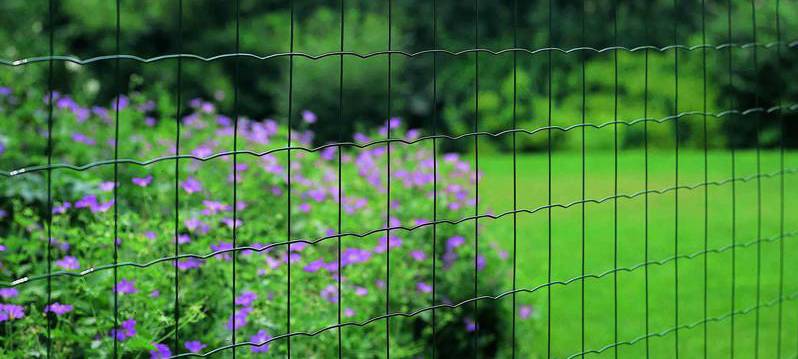
The garden wire shown on this page is lightweight welded mesh supplied in rolls. Horizontal and vertical wires are joined to create regular square or rectangular apertures.
This construction retains its shape more effectively than loose woven or hexagonal netting while remaining flexible enough for many domestic garden projects.
Garden wire mesh should not be confused with:
- Chain-link fencing
- Rigid mesh security panels
- Heavy agricultural stock fencing
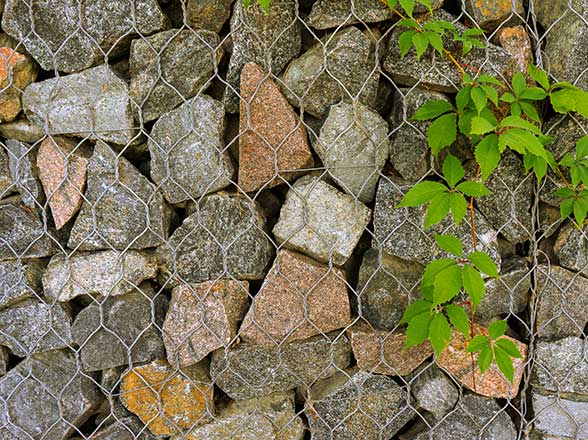
- Chicken wire or hexagonal poultry netting
- Barbed or electric wire
- Decorative metal railings
It is a practical garden product intended for light boundaries, planted areas, crop protection and horticultural support rather than high-security or heavy agricultural applications.
Garden wire fencing is available in different finishes to suit the setting and intended use.
Galvanised Garden Wire
Galvanised wire has a protective zinc coating that helps resist rust and corrosion. Its metallic finish provides a clean, practical appearance and is suitable for a wide range of general garden applications. It can be used around vegetable patches, fruit-growing areas and flower beds.
Green-Coated Garden Wire
Green-coated wire blends naturally with grass, planting, hedges and other garden features. From a distance, the darker finish can make the mesh less noticeable than plain galvanised wire. It is particularly suitable where the fence needs to perform a practical function without becoming a dominant visual feature. The most appropriate finish will depend on the surroundings, required appearance and exposure of the site.
Garden wire is suitable for a broad range of domestic and horticultural applications.
Garden Boundaries
When supported by suitable timber posts or rails, garden wire can define the edge of a lawn, planted area or larger garden without blocking views. Its open appearance makes it useful where a solid fence would feel too enclosed or obscure attractive landscaping.
Flower-Bed Protection
Wire mesh can create a simple barrier around flower beds and newly planted areas. This can help reduce accidental damage and discourage larger animals from entering cultivated sections of the garden. The aperture and height must be selected according to the animals involved. Broader mesh may not prevent access by smaller wildlife.
Vegetable Patches and Kitchen Gardens
Garden wire fencing can protect vegetable beds and other productive growing areas while allowing sunlight, airflow and rainfall to reach the plants. It can be installed around an individual bed or used to enclose a larger kitchen-garden area. Suitable access can also be incorporated so that planting, watering and harvesting remain convenient.
Plant Support and Training
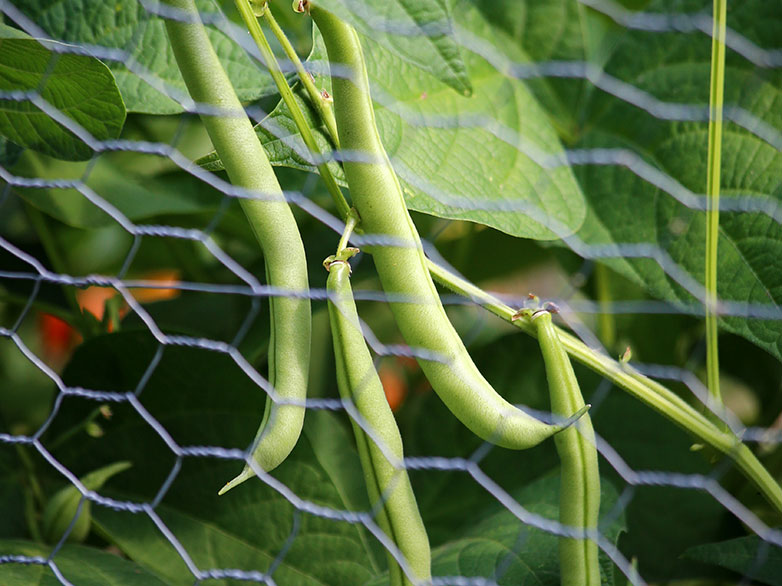
Welded garden mesh provides a framework for supporting and training climbing plants.
It may be used for:
- Runner beans
- Peas
- Climbing flowers
- Suitable climbing plants
- Trained fruit
- Supported shrubs
The mesh can be mounted vertically between posts, incorporated into a timber frame or positioned against another suitable structure.
The support must be appropriate for the eventual weight and growth habit of the chosen plants. Heavy or vigorous climbers may require a more substantial framework.
Trellises and Garden Divisions
Garden wire can be used to create practical trellis structures or divide different parts of a garden. As climbing plants become established, they can form a natural screen across the mesh. This can provide a softer alternative to a solid internal garden division.
Pet and Pest Barriers
Appropriately specified garden wire may be suitable for containing certain pets or discouraging larger pests from entering planted areas.
Suitability depends on:
- The animal's size and behaviour
- The mesh aperture
- The height of the fence
- The strength and gauge of the wire
- The support and fixings
- The possibility of jumping, climbing or digging
- Gaps beneath and around the boundary
Garden wire should not automatically be assumed suitable for every pet or pest. Farm & Country Fencing can recommend a stronger or more specialised system where lightweight mesh would not provide appropriate containment or protection.
Versatile
Garden wire can be used for boundaries, flower beds, vegetable patches, plant training, trellises and other gardening projects. Different heights, apertures and finishes allow the mesh to be selected around the intended purpose.
Unobtrusive
The open mesh preserves views through the garden and allows planting to remain the main visual feature. Green-coated wire can blend particularly well with grass, hedges and established vegetation.
Supports Healthy Plant Growth
Light, air and rainfall can pass through the open mesh. This makes garden wire well suited to supporting climbing plants and protecting cultivated areas without creating a solid barrier around them.
Durable
Quality galvanised or coated wire is designed to withstand outdoor exposure and resist rust and corrosion. The service life will depend on the quality of the material, installation, local conditions and any damage to the protective coating.
Low Maintenance
Unlike timber fencing, wire mesh does not rot or require protective staining. Periodic inspection and occasional cleaning are generally sufficient, although damaged coatings, loose fixings or distorted sections should be addressed when identified.
Cost-Effective
Garden wire is generally an affordable way to define or protect an outdoor area, particularly where privacy and high security are not required. Its lightweight construction can make it quicker to install than more substantial boundary systems.
Flexible and Easy to Work With
The mesh can be cut and shaped to suit different garden layouts and structures. Correct tools and safe handling remain important because cut wire ends can be sharp.
Not every garden-wire product is suitable for every purpose. The right specification depends on the intended use and conditions of the site.
Mesh Aperture
The size of the openings affects what the fence can contain or exclude. A broader aperture may be suitable for supporting plants or marking a boundary but may allow smaller animals to pass through. A smaller aperture provides a closer barrier but may be unnecessary for purely decorative or horticultural use.
Wire Strength
Lightweight wire may be appropriate for climbing plants and small protected areas. Boundaries exposed to greater pressure, impact or animal activity require a stronger mesh and more substantial support.
Fence Height
The required height depends on the purpose of the installation. A low fence may define a flower bed, while a garden boundary, pet area or climbing-plant support may require a taller system. Ground levels and nearby objects should also be considered where animal containment is involved.
Finish
Galvanised wire provides a practical metallic finish, while green-coated mesh is less conspicuous among planting. Damage to a protective coating can expose the underlying wire and reduce its resistance to corrosion.
Posts, Rails and Fixings
The mesh relies on its supporting structure. Posts must be suitable for the height, length and expected pressure on the fence, while rails can provide additional support and help retain alignment. Fixings should hold the mesh securely without unnecessarily damaging its protective coating.
Garden wire can be installed directly between suitable timber posts or combined with horizontal rails to create a more defined and supported boundary.
A timber framework can:
- Keep the mesh properly aligned
- Strengthen longer sections
- Create a neater finished appearance
- Provide support along the top and bottom edges
- Help the fence follow changes in direction
- Provide a framework for gates or access points
The timber and wire should be selected as parts of one system. Post spacing, rail arrangement, mesh height and fixings must all suit the intended application.
Farm & Country Fencing can recommend an installation that balances strength, appearance and cost.
Access should be considered when planning a protected bed, vegetable garden or larger enclosed area.
A suitable gate can provide convenient entry without leaving an informal opening in the boundary. Its height, frame, covering and latch should correspond with the purpose of the enclosure.
Where the fencing is intended to contain a pet or discourage animals, gaps beneath and around the gate require particular attention.
Garden wire is versatile, but it is not the correct choice for every boundary.
A different fencing system may be more appropriate where the customer requires:
- Significant privacy
- High security
- Strong impact resistance
- Reliable containment of large or determined dogs
- Exclusion of animals smaller than the selected mesh apertures
- Heavy livestock containment
- A solid privacy or noise-reducing barrier
- A formal decorative metal boundary
Farm & Country Fencing offers a wide range of alternatives, including closeboard fencing, picket fencing, chain-link, rigid mesh panels, stock fencing and decorative railings.
We can assess the purpose of the boundary and recommend a different solution where garden wire would not provide the required performance.
Quality garden wire fencing requires relatively little maintenance, but periodic checks help preserve its appearance and performance.
Inspect the fence for:
- Loose or damaged fixings
- Sagging or distorted mesh
- Damage to galvanised or coated finishes
- Sharp or exposed wire ends
- Movement in posts or rails
- Vegetation placing excessive weight on the mesh
- Gaps developing at ground level
- Damage caused by tools, animals or falling branches
- Gate alignment where access is included
Climbing plants should be managed so that their mature weight does not distort or overload the mesh. Damaged sections should be repaired promptly, particularly where the fence protects plants or contains an animal.
Although lightweight garden wire is relatively straightforward to work with, the quality of the finished fence depends on accurate setting out, suitable supports, secure fixings and consistent alignment.
Professional installation helps ensure that:
- The mesh suits the intended application
- The fence follows the required boundary
- Posts and rails provide appropriate support
- The mesh remains straight, secure and consistently aligned
- Corners and changes in direction are secure
- Fixings do not unnecessarily damage the coating
- Ground levels and potential gaps are considered
- Gates align and operate correctly
- The completed fence has a neat, consistent appearance
A site visit also allows existing planting, access, soil conditions and other practical requirements to be identified before installation begins.
Farm & Country Fencing supplies and installs garden wire fencing throughout Hertfordshire, Essex and the surrounding areas.
We work with homeowners, gardeners, landscapers, businesses and other clients requiring an affordable and adaptable mesh solution for gardens and landscaped spaces.
Whether you need an open garden boundary, protection for a vegetable patch, support for climbing plants or a discreet barrier around a cultivated area, our team can recommend a suitable wire, finish and supporting structure.
Customers choose us for:
- Lightweight welded garden mesh
- Galvanised and green-coated options
- Garden boundaries and internal divisions
- Flower-bed and vegetable-patch protection
- Plant supports and trellis structures
- Appropriately specified pet and pest barriers
- Timber-post and rail-supported installations
- Gates and practical access arrangements
- Advice on mesh aperture, height and finish
- Alternative fencing systems where garden wire is unsuitable
- Professional installation throughout Hertfordshire and Essex
- Experience working across domestic, landscaped and rural sites
- References from previous clients
- A FREE Measure and Quotation Service
- FREE No Obligation Site Visits
Every project is assessed individually so that the selected mesh and installation reflect the garden, intended purpose and required appearance.
What type of wire is used for garden fencing?
The garden wire shown on this page is lightweight welded mesh supplied in rolls. It is available in galvanised and green-coated finishes, with regular square or rectangular apertures.
Is garden wire the same as chicken wire?
No. Chicken wire normally uses woven hexagonal netting. The garden wire shown on this page uses horizontal and vertical wires joined to form regular square or rectangular openings, providing a more stable structure.
Is garden wire the same as stock fencing?
No. Stock fencing is primarily designed for agricultural and livestock applications and is available in specialised patterns and strengths. Garden wire is a lighter product intended for domestic boundaries, planting and general garden use.
Can garden wire be used as a boundary fence?
Yes. When correctly supported by suitable posts or rails, it can create an open and unobtrusive garden boundary. It does not provide the privacy or security of a solid fence.
Can garden wire protect vegetable patches?
Yes. An appropriately specified mesh can help prevent larger animals from entering vegetable beds and other cultivated areas while allowing light, air and rainfall to reach the plants. The aperture and height must suit the animals being deterred. Wider mesh may not prevent access by smaller creatures.
Can it support climbing plants?
Yes. Garden wire can support and train runner beans, peas, climbing flowers and other suitable plants. The framework must be strong enough for the mature weight and growth habit of the plants.
Is green garden wire less visible?
Green-coated mesh generally blends more discreetly with grass, hedges and planting than plain galvanised wire.
Can garden wire contain a dog?
It may be suitable for some dogs, but this depends on the dog's size, behaviour, jumping and digging ability, as well as the fence height, mesh aperture and installation. A stronger or more specialised dog-fencing system may be required for large, powerful or determined dogs.
Does garden wire rust?
Galvanised and coated wire is designed to resist rust and corrosion, although damage to the protective finish can leave the underlying wire more exposed.
Is garden wire fencing low maintenance?
Yes. It generally requires little maintenance, although the mesh, coatings, fixings and supporting posts should be checked periodically.
Can a gate be included?
Yes. A coordinating gate can be incorporated into an appropriate installation. Its size, covering and latch will depend on the purpose of the enclosure.
How much does garden wire fencing cost?
The cost depends on the mesh, finish, fence height, boundary length, supporting posts or rails, gate requirements and site conditions. A site visit allows us to measure the area and provide an accurate quotation.